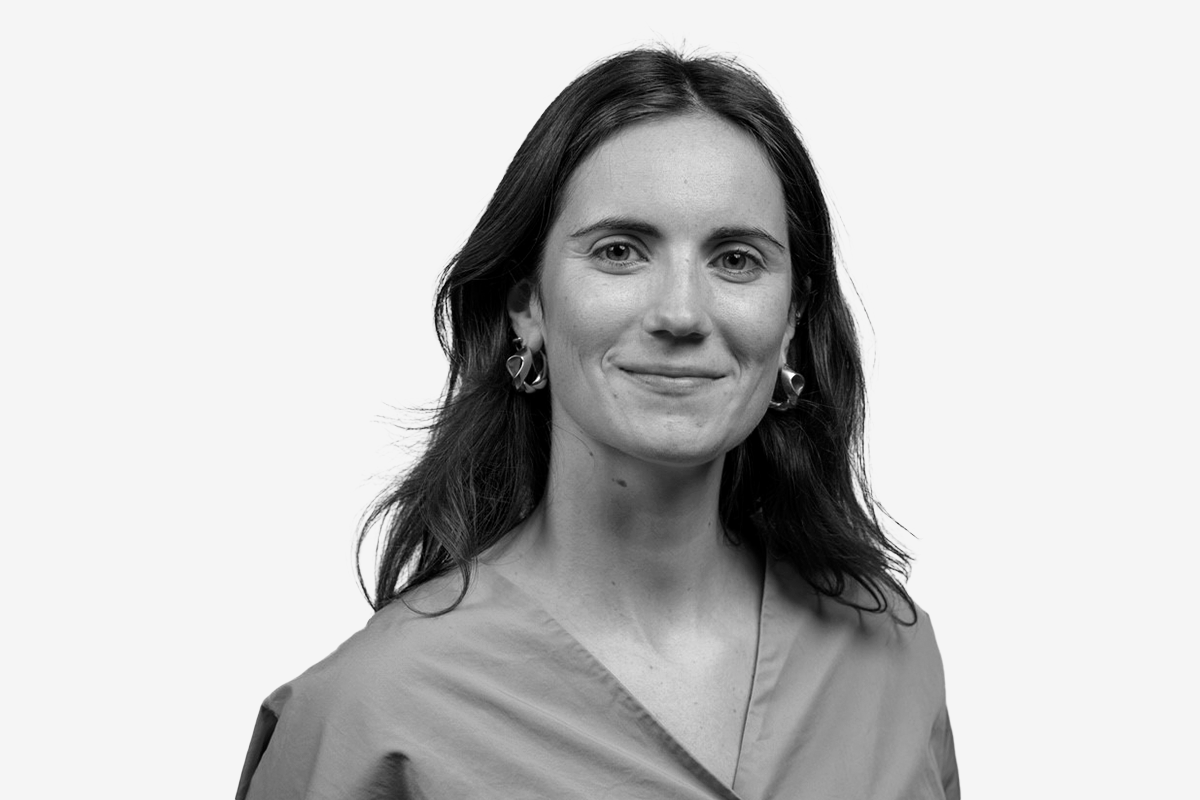
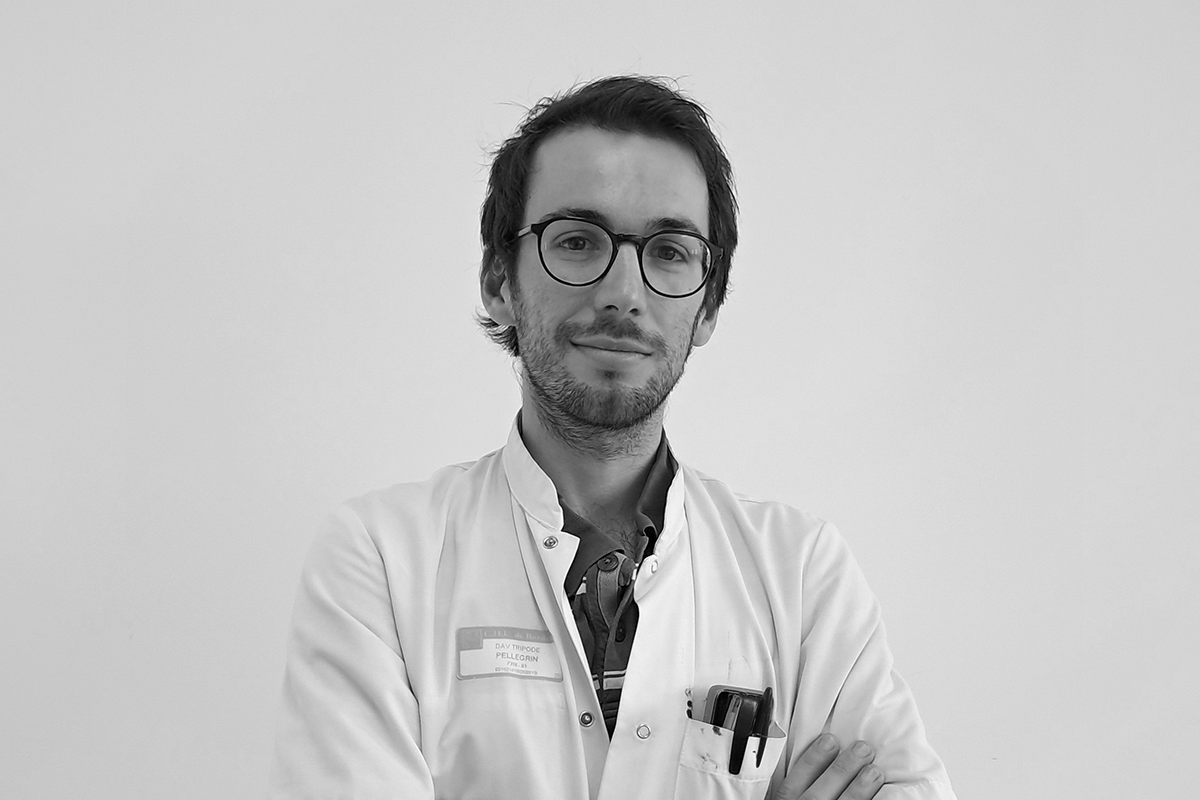
Nicolas Borderies is a neurologist and clinical fellow within the neurovascular unit of Professor Igor Sibon, acting director of VBHI, at the University Hospital of Bordeaux. He is also a post-doctoral researcher affiliated with the Group for Functional Neuroimaging (GIN) led by Dr Michel Thiebaut de Schotten, deputy director of Artificial Intelligence & Imaging at VBHI. His latest study sheds light on the possibilities of predicting depression following a stroke. Interview.
Tell us about yourself, what is your background?
After completing a PhD in neuroscience at the Paris Brain Institute, I defended my thesis in 2020, which focused on the role of neuromodulators and prefrontal brain regions in apathy.
I also followed a medical curriculum with a specialisation in neurology and completed my internship in Bordeaux at the Neurovascular Unit (UNV) and the Institute of Neurodegenerative Diseases (IMN) at the Bordeaux University Hospital.
During my training, I conducted a medical thesis on brain imaging biomarkers for post-stroke depression under the supervision of Professor Igor Sibon and Dr Michel Thiebaut de Schotten.
Currently, I am responsible for patient recruitment, evaluation, and follow-up for the “VBHI – BrainVasc Cohort & Biobank” development programme. I will also be involved with those who will soon visit the “VBHI – Innovation & Prevention clinic” programme. I am also in charge of the link between VBHI and the clinical activities of the Neurovascular Unit at the University Hospital of Bordeaux.
What is your research topic?
My medical and scientific background has led me to address clinical questions using tools derived from modern neuroscience, whether through neuroimaging analysis, statistical modelling, or functional exploration analysis, such as electroencephalograms.
My current work focuses on cerebral small vessel disease with the use of tools to better characterise it, understand the outcomes for patients (including determining the risk of stroke or major cognitive disorders), and also participate in innovative studies to propose cerebrovascular prevention medications.
Why are you interested in post-stroke depression?
Post-stroke depression is a major and frequent complication after a stroke, affecting about one-third of stroke survivors.
It results in an invisible disability that can be the primary cause of difficulties in:
- returning to work,
- social reintegration,
- mortality, and
- loss of quality of life.
There is currently no validated algorithm to detect patients at risk of post-stroke depression early, with the hope of preventing its onset.
Furthermore, there is an ongoing debate on the respective roles of psychosocial and biomedical factors.
This study aimed to determine whether it was possible to predict the risk of depression after a stroke, considering all these factors, and which factors weighed the most.
Why is this a major breakthrough?
The results of this study show that the intensity of depressive symptoms can be predicted at 3 months based on psychosocial factors such as:
- female gender,
- economic hardship,
- low cognitive level, and
- the presence of depressive symptoms in the early days following the stroke (which was not necessarily guaranteed, as emotional symptoms in the first few days are part of the expected response to the psychotrauma caused by a stroke).
These psychosocial parameters have the greatest weight in the predictive model of post-stroke depression.
Imaging characteristics of the stroke also helped predict the onset of depression, including:
- a location in the frontal lobe or cerebellum,
- a lesion in the primary somatomotor cortex,
- disorganisation of large brain networks.
What comes next?
Therapeutic trials aimed at preventing post-stroke depression have so far yielded mixed results due to the risks associated with prescribing medication for insufficient benefit.
In the future, we could look at better selecting patients at high risk for post-stroke depression and offering personalised care, which could include early:
- psychosocial intervention,
- appropriate antidepressant treatment,
- and possibly targeted neuromodulation techniques based on the characteristics of the stroke.
Find out more:
- Scientific publciation: Borderies N, Duttagupta S, Tourdias T, Berthoz S, de Schotten MT, Sibon I. A comparison of clinical, lesion-based and connectome-based models of post-stroke depression: a prospective longitudinal study. Neuroimage Clin. 2025 Nov 16;48:103911. doi: 10.1016/j.nicl.2025.103911. Epub ahead of print. PMID: 41270679; PMCID: PMC12671036.
EM